


Naturally occurring "white hydrogen" lies in vast reservoirs beneath our feet – now the gold rush of the clean energy era is beginning.
Investors had lost faith in Edwin Drake's obsessive hunt for oil when the American entrepreneur finally struck black gold in an underground reservoir in Titusville, Pennsylvania, in 1859. The discovery spurred an exploration frenzy that launched the modern oil age.
Now, a new generation of wildcatters are racing to replicate that Titusville moment, hoping to bring about the dawn of a major new energy resource. However, it's not fossil fuels they are looking for, but a commercially viable source of natural – and low-carbon – hydrogen.
Hydrogen, the smallest, simplest and lightest molecule on Earth, is currently used mainly for refining and chemical industries, such as producing ammonia for fertilisers. The vast majority of this hydrogen is made from polluting methane gas or coal gasification.
But there are already other, lower-carbon ways to produce hydrogen. And hydrogen's ability to store three times more energy than oil, while only producing water when burnt, has made some view it as an attractive clean fuel option, especially for industries which are hard to decarbonise by electrification, such as aviation, shipping or steel production.
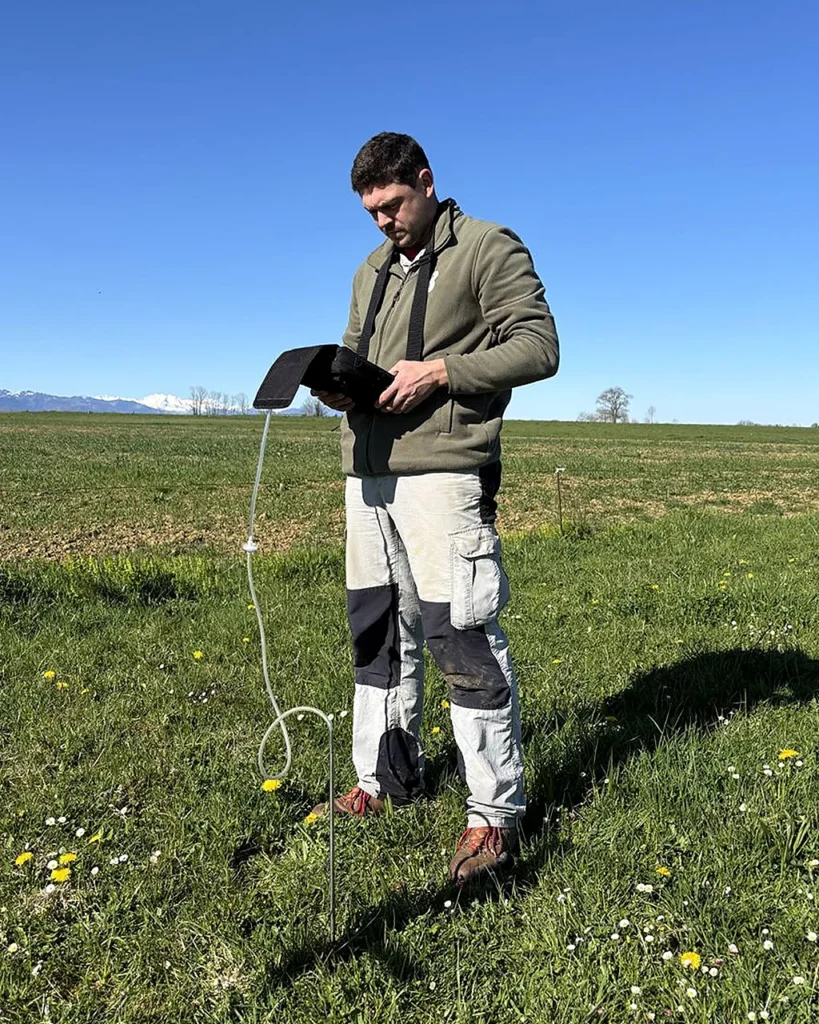
French hydrogen exploration
For Emmanuel Masini, founder and chief executive of Mantle8, a French hydrogen exploration start-up backed by Bill Gates' Breakthrough Energy, however, the urgent need for decarbonisation is exactly the reason for accelerating white hydrogen exploration.
"We are convinced there could be really significant [hydrogen] reserves, we need to go ahead and deliver them," Masini says.
To do this, Mantle8 has developed a technology which uses geology, geophysics and geochemistry data and sensors to create 4D images (in three dimensions and across time) of the Earth's mantle to pinpoint the specific location of white hydrogen reservoirs and quantify and monitor the volume of hydrogen in each.
The technology could be used to map the entire planet and take out the guesswork in exploration by identifying replenishing reservoirs, saving both time and money, says the start-up. Masini says it has already identified 12 promising locations across Europe and aims to identify 10 million tonnes of hydrogen reserves by 2030 – a goal he is confident it can meet.